
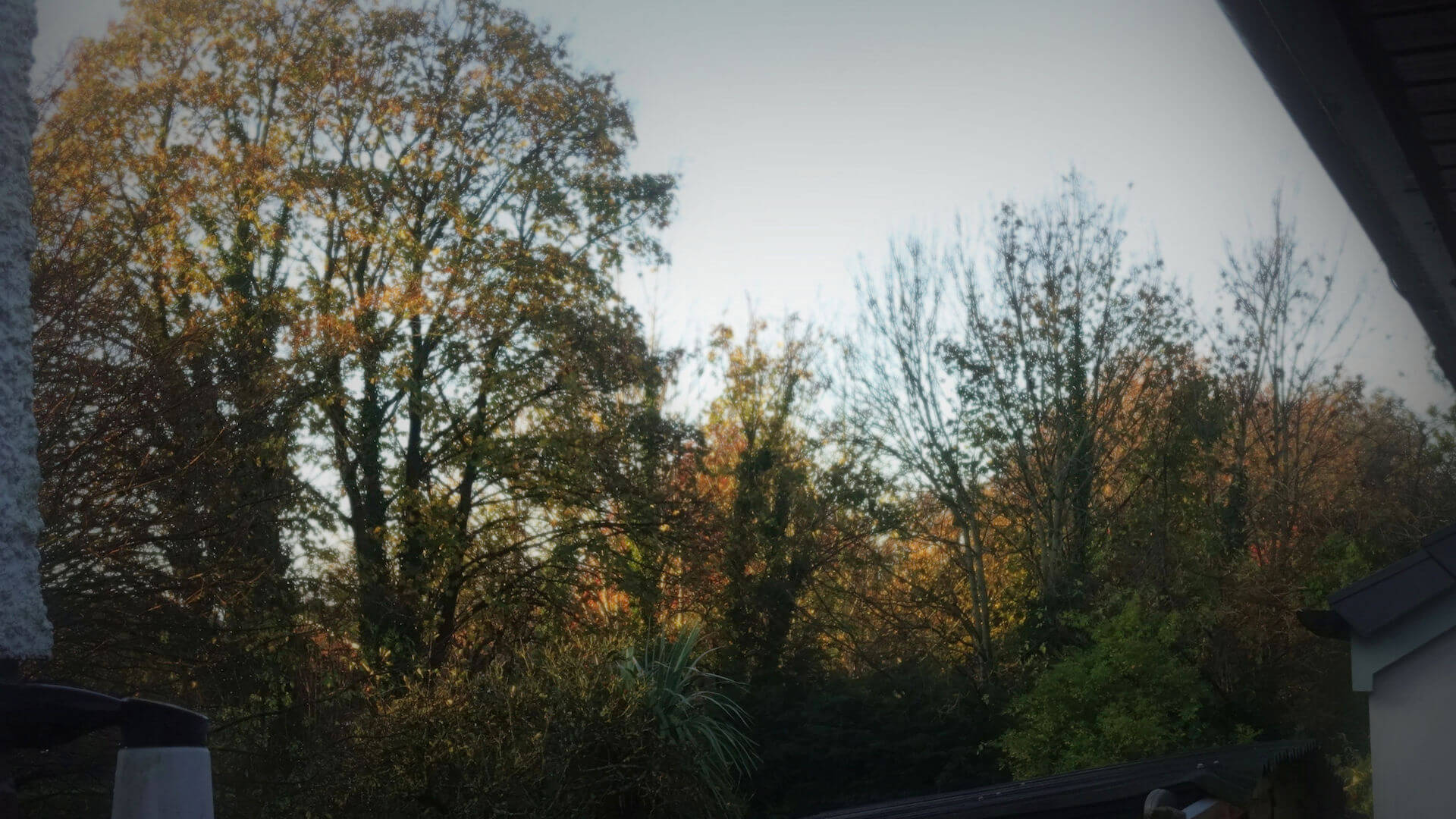
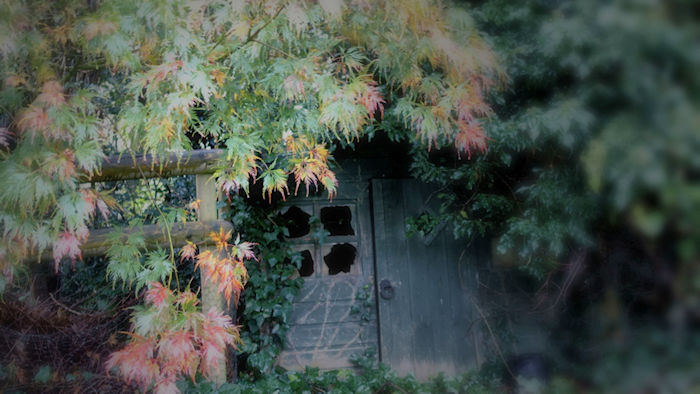
The first morning rays of sunlight catching the autumn trees with a beautiful soft glow – a wabi sabi view
Putting Thoughts into Words
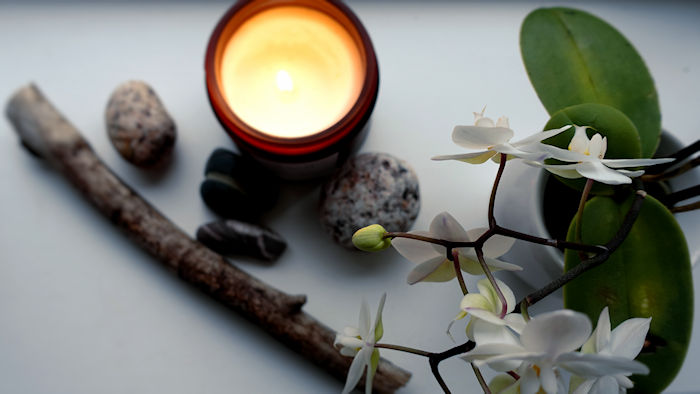
There are probably many other ways of describing these things that I am writing here, however ‘wabi sabi’ perfectly puts my thoughts into words. Words which describe my love of nature, and this ultimately feeds into my art.
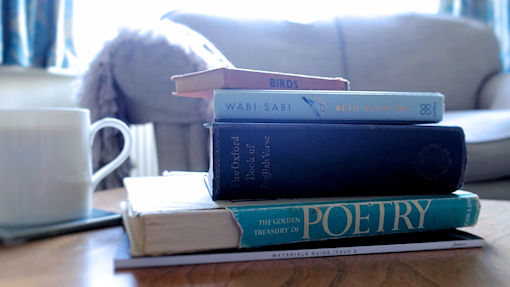
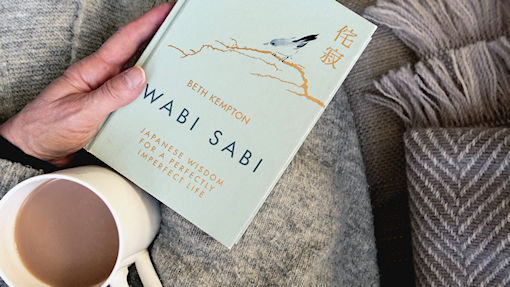
Wabi Sabi is so much more…
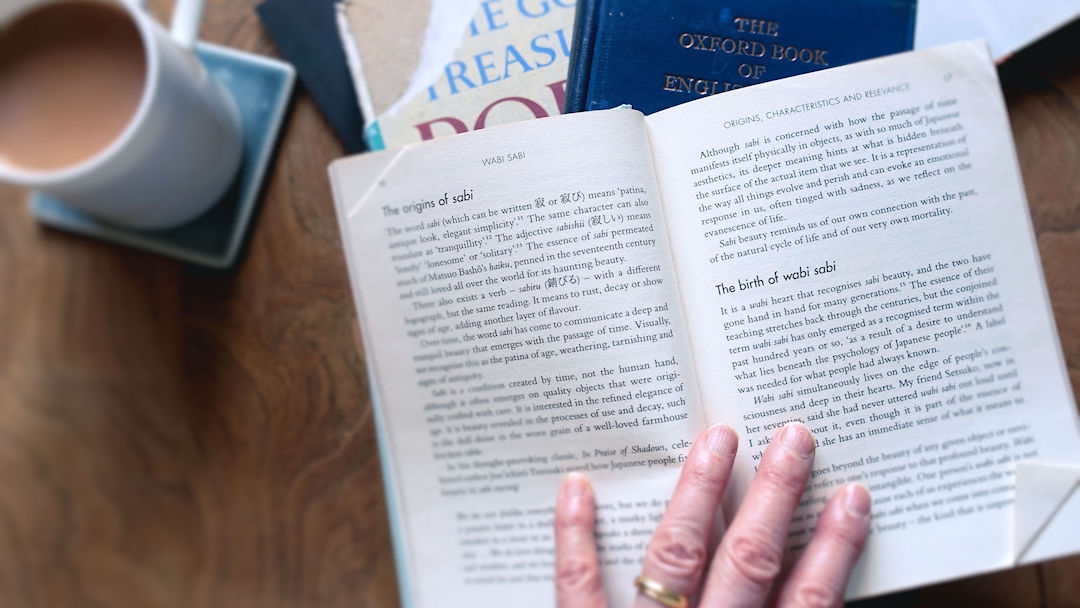
I first came across the term Wabi Sabi as an aesthetic, as a well renowned hashtag on social media accompanied by beautiful photos of simple beauty. However, the real meaning behind the term is difficult to put into words because of it’s almost mystic quality. As Beth Kempton says in her book Wabi Sabi, …..’it is a feeling and it is intangible. One persons wabi sabi is not the same as another’s, because each of us experiences the world in different ways. We feel wabi sabi when we come into contact with the essence of authentic beauty – the kind that is unpretencious, imperfect and all the better for that….’
You can find Beth Kempton’s website here
A Love of Imperfection
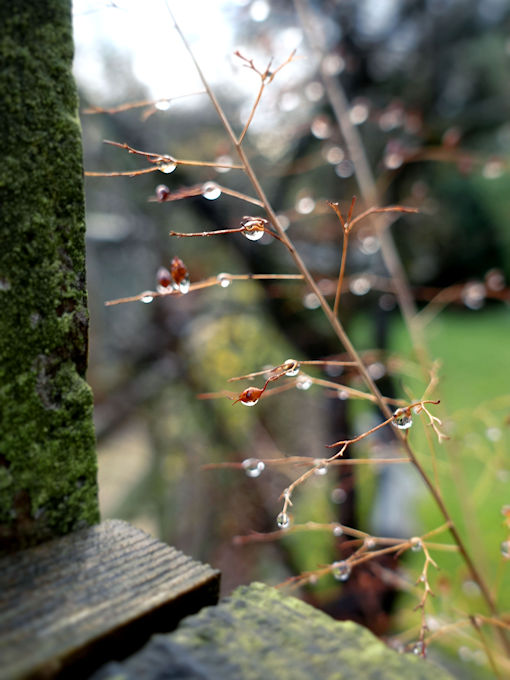
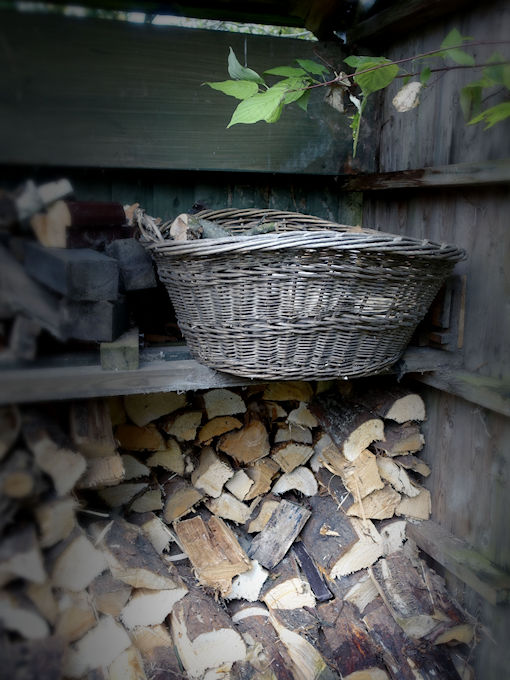
Ever since I can remember I have had a love of imperfect things. Old books that are battered and dog eared, finding old tea sets in charity shops that might have the odd chip or crack, things in my home that are mis-matched that I found in some second-hand shop or stall, My somewhat wild edges of my garden. The wood pile! Especially the wood pile because it reminds me of Dad. He worked with wood all day. He smelt of sawdust and generally had a wood shaving or 2 hanging from his person! I grew up around old things. His workshop was a treasure trove of old furniture, marquetry and antiques. And when he was not there, he was on his boat (of course, wooden) and we would often be with him, down by the river and at the boatyard.
New and Shiny
As I grew and started working I changed. I remember going through a period of my life, with my first home, wanting everything new and matching. It is like I grew out of this childhood love of the natural and imperfect and wanted the perfect, the more conventionally beautiful (certainly that’s how it seemed to me at the time in my 20’s) However within a decade those early experiences started to creep back into my psyche and the new and plastic started losing it’s gloss.
Conventional Beauty, the Benefit of Hindsight & The Simple things in Life
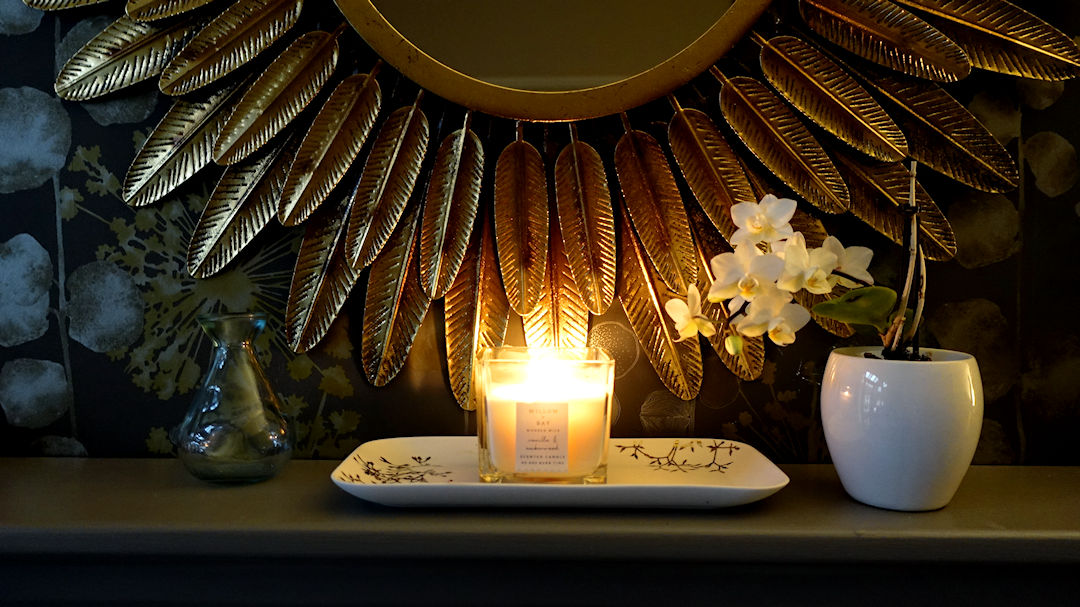
Today I am slowly casting off the unnecessary and actively decluttering our space. What remains are things that have meaning, gifts from family & friends, old things I’ve had for forever and the functional. Conventional beauty as it is seen these days, makes me feel sad. It feels as though the point is being missed however this is definitely a case of hindsight and age! Are not the consequences of the world’s ‘need’ for fabricated beauty, ultimately at the expense of real beauty, the beauty of things in their natural state? The beauty of age, a patina, tarnish or rust. The beauty of people as they age and of course, of the environment. Through the pandemic we yearned to get outside and enjoy the simple things and spending time with our families and friends, these were critical to our mental wellbeing. These things feel wabi sabi to me.
The Beauty of Impermanence
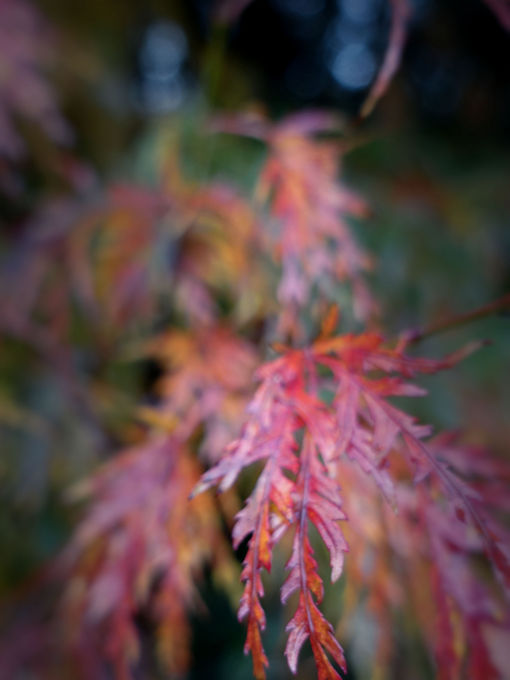
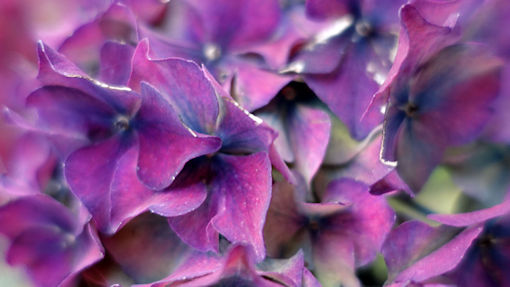
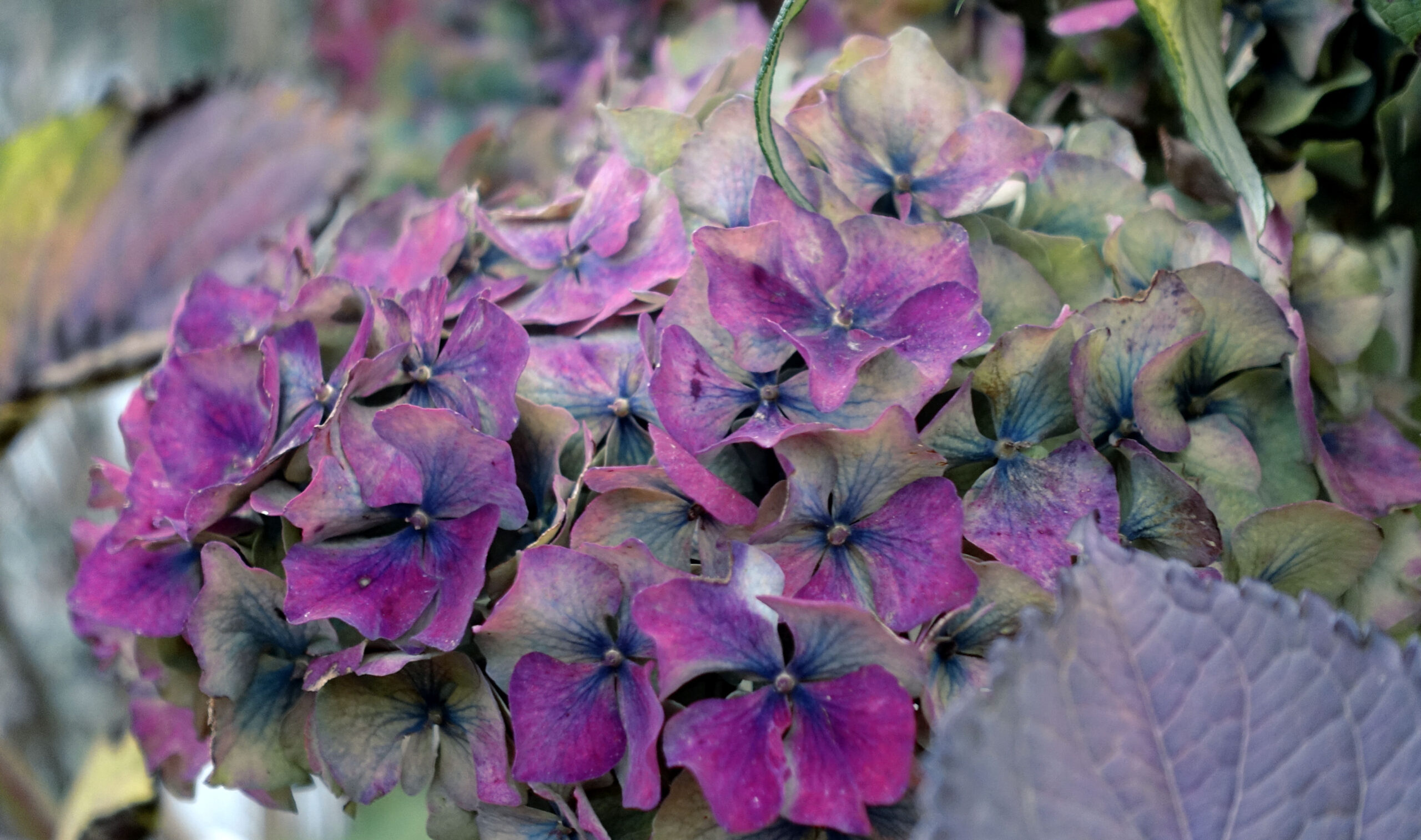
There is a bitter sweet quality to Wabi Swabi and I feel it when I look out across the Leven estuary towards the Cumbrian mountains, my quiet place. It is a beauty bound up in imperfect and impermanence, in the transience of things. As something fades it gets more beautiful. A hydrangea flower, from it’s summertime bright hues, just gets more magical as the colour evaporates to dusky tones and until all is finally lost and the petals turn into delicate little skeletons of what once was.
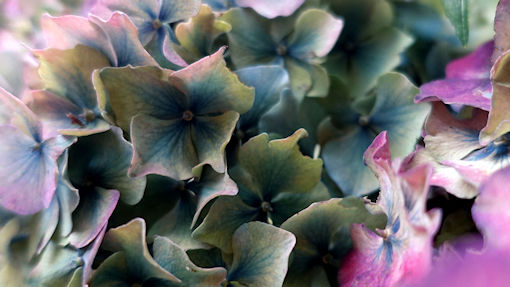
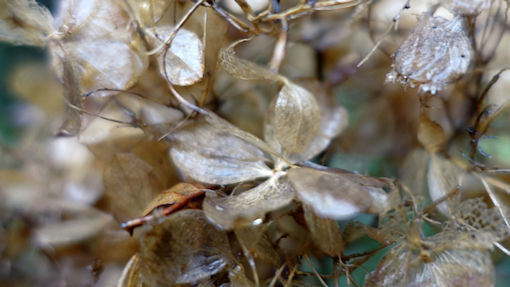
I will be starting a short writing course with Beth Kempton next week. My writing feeds into my painting, the one supports the other. I am finding the more creative my writing, the more expressive my art is becoming. I will share more with you soon.
What is ‘wabi sabi’ to you and has it changed as you’ve grown older? How do you describe that feeling of joy in something beautiful that is perfect in it’s ‘imperfectness’? I’d love to know.
Take care and see you soon
Sue x
To read more about my art journey checkout my blog post https://susanmillsart.co.uk/2021/04/07/creative-choices-my-1st-blog-my-why/
This a beautiful and well-written article. I too, appreciate the beauty of impermanence, taking the time to be in the moment with nature, and find peace in the rhythm of the world. Objects that have the patina of time and love are dear to me, a cup with a chip because it has been used is much more of value to me than something perfect and new.
Hi Marita thank you very much for stopping by to read my blog and for commenting. Thank you for your kind comments, I’m glad you enjoyed it. ‘Peace in the rhythm of the world’ is such a beautiful way of putting it, it is just that to me along with the patina of time and the ware of something much used and loved. All things to treasure.
Hi Sue,
I’m visiting here through the 7 keys course and was intrigued by your reference to Wabi Sabi, a term I’ve only recently come across after taking part in a course by Lorna Crane and then also in a book by Shelley Rhodes. It seems we have quite a bit in common. I love old hydrangea heads, peeling paint, rusting metal, anything that shows life’s complex layers and the passing of time. I think your description of it as ‘bitter sweet’ is inspired.
My Father did not work with wood, but my husband does! I certainly resonate with the image of those bits of shavings falling off working clothes. I really enjoyed this post and will look out for Beth’s book.
Thanks,
Sarah
Hi Sarah, thank you for taking the time to read my blog and for commenting too. It seems we have a lot in common! Wabi sabi just seems to describe these things so well doesn’t it, it covers so much. I have a Shelley Rhodes book and didn’t know she had also used the term, thank you for the reference, I will look it up. I haven’t heard of Lorna Crane, I will look her up too. I would thoroughly recommend Beth Kempton’s book, it is beautiful. It’s the sort of book you can dip in and out of. I have her new book, The Fearless Writer on my Christmas list! Take care, Sue
Such a lovely piece of writing Sue. I’ve also popped over from the 7 keys, have Shelley Rhodes book and watched Lorna Crane’s interview with FibreArts Take Two on YouTube. Wabi Sabi is a new term to me this year, but it sits with my way of seeing and loving nature and observing the effect of time on my surroundings 🙂
Hello Amanda thank you for taking the time to come over and to read my post, I’m really glad you enjoyed it. I still haven’t seen the Lorna Crane interview and I’m making a note to make sure I watch it. Wabi sabi sums up that experience of feeling and seeing perfectly doesn’t it. Thank you very much for leaving a comment, I really appreciate it.